 Kadir Temiz
Introduction
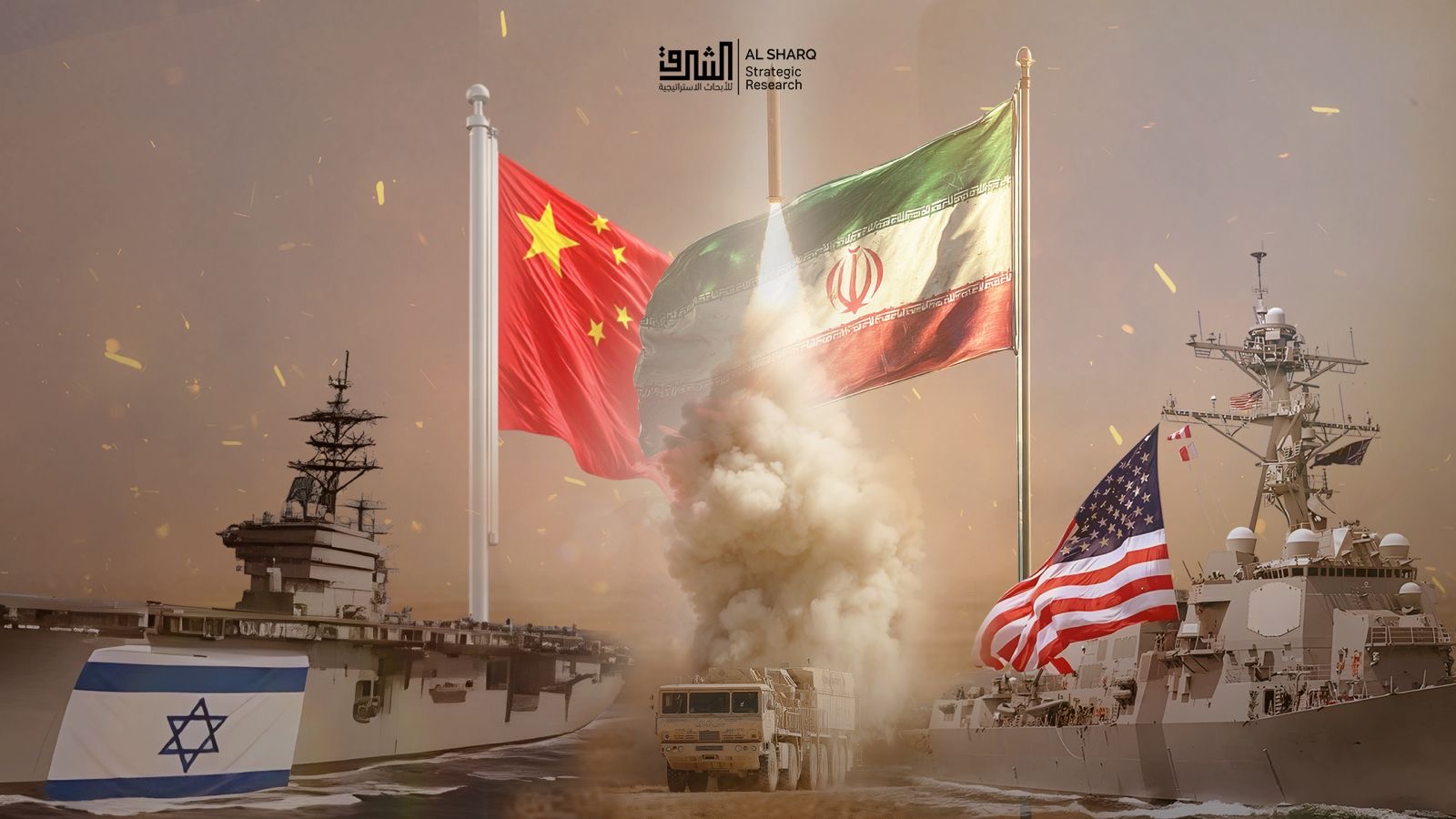
The ongoing U.S.–Israel war on Iran has quickly become one of the most consequential geopolitical crises of the decade. Though the immediate battlefield is located in the Middle East, the strategic implications of the conflict reach well beyond the region. For China, the war is a strategic development embedded in the broader structure of global great-power competition. Beijing’s response reflects what may be described as “cautious strategic observation”—a posture shaped by economic vulnerability, geopolitical calculations, and China’s still-limited security role in the Middle East.
China’s approach to the conflict can best be grasped through the concept of “China Watch.” Beijing is carefully observing the war, monitoring its implications for energy security, regional stability, and technological trends in modern warfare, while avoiding direct military involvement. In doing so, China aims to protect its strategic interests without becoming involved in a conflict that could escalate into a broader confrontation between major powers.
China’s Middle East Policy: Economic Engagement and Strategic Restraint
China’s approach to the Middle East has historically been defined by pragmatism rather than ideological alignment. Since the reform era in the late 1970s, Beijing has prioritized economic engagement, energy security, and diplomatic neutrality in its regional policy. Unlike the United States, which has maintained a long-standing military presence in the region, China has largely avoided direct involvement in Middle Eastern security architectures.
This approach is closely tied to China’s growing economic presence in the region. The Middle East has become a central component of China’s global trade networks and energy supply chains. According to the International Energy Agency, China imported approximately 11.3 million barrels of crude oil per day in 2024, making it the world’s largest oil importer. Roughly 45–50 percent of these imports originate from the Middle East, with Saudi Arabia, Iraq, the United Arab Emirates, and Iran among China’s key suppliers.
The region’s strategic significance is more strongly reinforced by China’s reliance on maritime energy routes. The Strait of Hormuz, through which approximately 20 percent of global oil trade passes each day, is particularly key for China. Estimates suggest that around 40–45 percent of China’s seaborne oil imports transit through the Strait of Hormuz, making any disruption in the Gulf a direct threat to China’s energy security.
Given this structural dependence, Beijing has consistently favored regional stability and the resolution of diplomatic conflicts. China’s official narrative in response to the current war emphasizes respect for sovereignty, adherence to the principles of the United Nations Charter, and the urgent need for de-escalation. Chinese Foreign Minister Wang Yi has engaged in extensive diplomatic outreach to multiple regional actors—including Iran, Israel, Saudi Arabia, and the United Arab Emirates—calling for an immediate cessation of military operations and a return to political dialogue.
Yet behind this diplomatic language lies a deeper strategic calculation.
Why Iran Matters to China
Iran occupies a distinctive position in China’s Middle East strategy. Although China maintains broad partnerships across the region, Iran represents an important geopolitical and economic partner for Beijing.
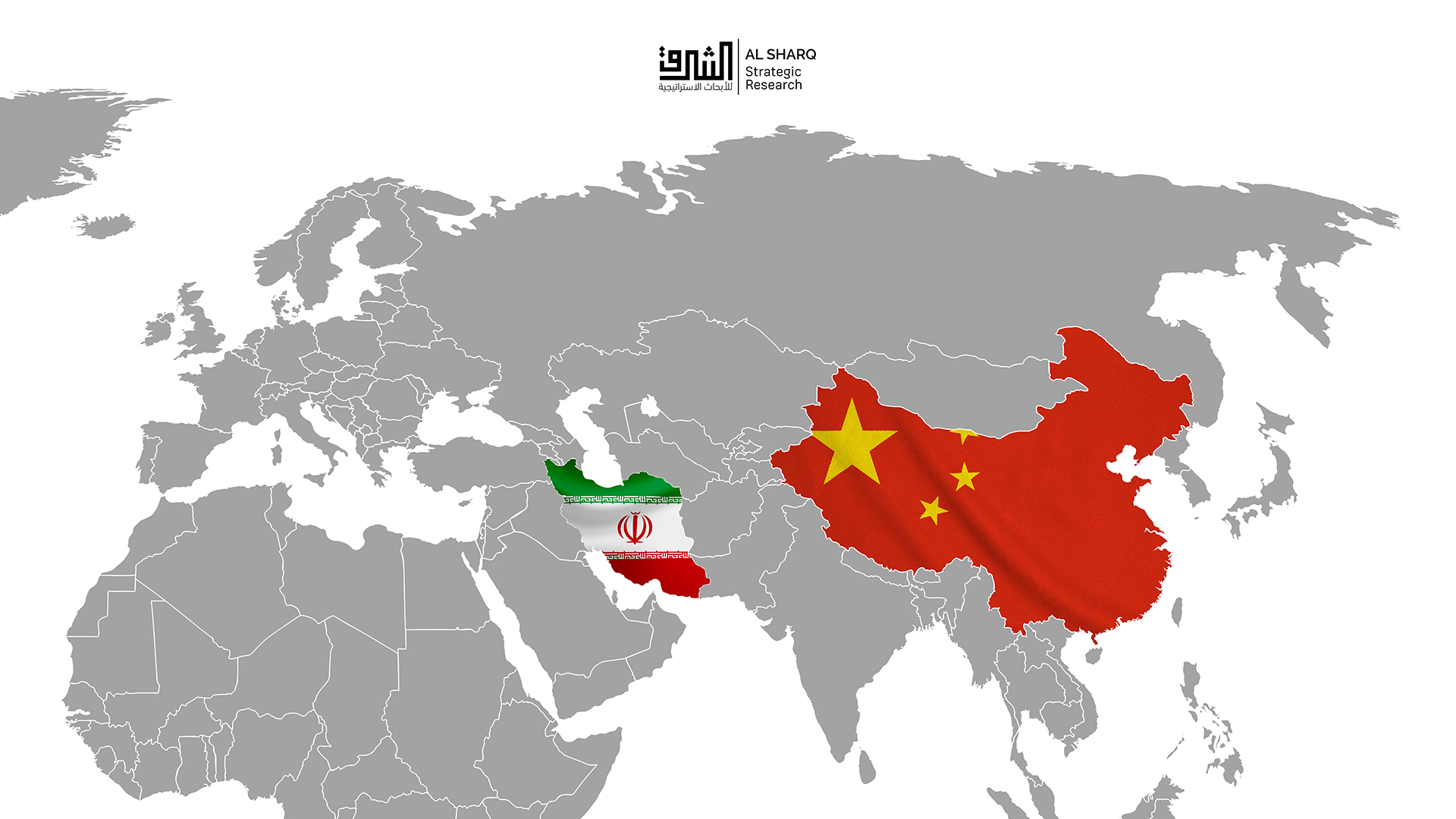
First, Iran is a significant energy supplier. Despite international sanctions, China has remained one of the primary buyers of Iranian oil, often through indirect or discounted trade arrangements. Some estimates suggest that China purchases over 1 million barrels of Iranian crude per day, making it the largest importer of Iranian oil.
Second, Iran serves as a geopolitical buffer against American influence in West Asia. From Beijing’s perspective, a relatively strong and stable Iran helps limit the consolidation of U.S. dominance in the region. While China does not seek confrontation with the United States in the Middle East, it also has little interest in seeing Iran weakened to the point of strategic collapse.
Third, Iran plays a role in China’s broader Eurasian connectivity strategy. The country sits at a key crossroads linking Central Asia, the Arabian Gulf, and the Eastern Mediterranean. Within the framework of the Belt and Road Initiative, Iran has been viewed as a potential hub for land-based transportation corridors connecting Asia to Europe.
For these reasons, China has consistently opposed military escalation against Iran and has criticized the recent strikes as violations of international law and the principles of state sovereignty.
Balancing Iran and the Gulf
Despite these strategic interests, China has carefully avoided full alignment with Iran. Beijing’s regional policy is built on a delicate balancing act between competing Middle Eastern actors. The Gulf monarchies, particularly Saudi Arabia and the United Arab Emirates, are among China’s most important economic partners in the region. Saudi Arabia has frequently been China’s largest oil supplier, providing roughly 1.7 million barrels per day in recent years. The UAE has also become a major partner in logistics, port infrastructure, and renewable energy projects.
Moreover, China has developed institutionalized relationships with the Gulf Cooperation Council (GCC), including strategic dialogues and long-term economic cooperation frameworks. Trade between China and the GCC exceeded $315 billion in 2023, making China the bloc’s largest trading partner.
As a result, Beijing cannot afford to frame the regional conflict purely through the lens of its partnership with Iran. Any overt military or strategic alignment with Tehran would risk alienating key Gulf partners and jeopardizing China’s energy and investment interests.
Another factor explaining China’s cautious posture is its relatively stable relationship with Israel. Although China has criticized the escalation of military operations and emphasized international law and sovereignty, Beijing has deliberately avoided directly targeting Israel in its official statements. This reflects the broader nature of China-Israel relations, which have historically been driven more by economic and technological cooperation than by geopolitical alignment. Over the past two decades, Israel has become an important partner for China in areas such as innovation, agricultural technology, and high-tech industries. Bilateral trade between the two countries reached approximately $22–24 billion in recent years, making China one of Israel’s largest trading partners in Asia. Against this background, Beijing prefers not to frame the current war as a confrontation between Israel and Iran alone, but rather as part of the Middle East’s long-standing regional tensions and unresolved security dilemmas. From China’s perspective, openly confronting Israel would bring limited strategic gains while risking unnecessary damage to a functional economic relationship.
This balancing strategy helps explain why China’s response to the current war has remained largely diplomatic rather than operational.
The War as a Strategic Laboratory
While China has refrained from direct involvement, the conflict is being closely studied by Chinese strategic communities. In many respects, the war functions as a strategic laboratory from which China can draw lessons about the future of warfare. Chinese analysts and military observers have paid particular attention to several operational dimensions of the conflict.
One area of interest is the role of precision strike capabilities, including long-range missiles and stand-off munitions. The war has demonstrated the increasing importance of precision-guided weapons, particularly in targeting critical infrastructure and military command centers. Another area of observation involves artificial intelligence and autonomous systems. Modern battlefields increasingly integrate AI-assisted targeting, real-time data processing, and networked command systems. Chinese analysts have highlighted how AI-enabled intelligence systems and advanced sensor networks can dramatically enhance situational awareness and operational efficiency.
Satellite navigation and reconnaissance systems are also being closely monitored. China’s BeiDou satellite navigation system, which serves as an alternative to the U.S. GPS network, has become an increasingly important component of Chinese military modernization. Observing how satellite-based positioning, surveillance, and communication systems function in a high-intensity conflict provides valuable insights for China’s own defense planning.
Additionally, the war has underscored the strategic importance of air defense and anti-access/area denial (A2/AD) capabilities, particularly in protecting critical infrastructure and urban centers from missile and drone attacks. From Beijing’s perspective, the conflict offers a rare opportunity to observe how advanced military technologies perform under real combat conditions.
Beyond the Middle East, Chinese strategists are also examining the conflict through the lens of potential contingencies in the Indo-Pacific, particularly the Taiwan issue. For Beijing, observing how the United States mobilizes military power, intelligence capabilities, and alliance coordination in the Iran crisis provides valuable insights into Washington’s potential responses in a future Taiwan contingency. The conflict offers an opportunity to assess the operational readiness of U.S. forces, the speed of force projection, and the integration of advanced technologies such as satellite-based targeting, artificial intelligence, and precision-strike systems. In this sense, the war functions as an indirect reference point for China’s own strategic planning regarding Taiwan and the broader military balance in the Asia-Pacific, including the growing U.S. military presence and fortification efforts in the South China Sea. By closely monitoring these dynamics, Beijing seeks to better understand both the strengths and limitations of American military power in distant theaters of operation.
Domestic Constraints and Strategic Priorities
China’s cautious approach to the war is also shaped by domestic considerations. At the time of the conflict, China’s political leadership is heavily focused on internal economic and policy priorities. The country’s annual “Two Sessions” meetings—bringing together the National People’s Congress and the Chinese People’s Political Consultative Conference—are currently addressing major economic and governance issues, including the next phase of national development planning.
China’s economic outlook remains under pressure from slowing growth, youth unemployment, and structural challenges in the real estate sector. Policymakers are also preparing the groundwork for the 2026–2030 development agenda, which will shape China’s economic and technological trajectory over the coming decade.
In addition to these economic concerns, China’s leadership is managing internal institutional adjustments within the military and political system. These factors further reinforce Beijing’s preference for strategic caution in external conflicts.
Simply put, China’s leadership has little incentive to become deeply involved in a volatile Middle Eastern war while it remains focused on domestic stability and long-term economic restructuring.
A Defensive Strategy of Observation
Taken together, these dynamics help explain China’s current posture toward the war. Rather than actively intervening, Beijing appears to be pursuing a strategy of defensive observation. China is monitoring the conflict closely, assessing its implications for energy markets, military technologies, and regional geopolitical balances.
At the same time, China is taking steps to mitigate potential risks. The Chinese government has already evacuated thousands of Chinese citizens from Iran and issued multiple security advisories. Diplomatic channels remain active as Beijing seeks to promote de-escalation and prevent the conflict from expanding into a wider regional war.
Most importantly, China is attempting to avoid being drawn into a direct confrontation with the United States in a region where American military capabilities remain dominant.
Conclusion
The U.S.–Israel war on Iran highlights the evolving complexities of China’s role in the Middle East. Beijing now possesses substantial economic and geopolitical interests in the region, yet it still lacks both the capacity and the willingness to assume a full-scale security role comparable to that of the United States.
Instead, China has adopted a strategy best described as “China Watch.” Beijing is carefully observing the conflict, learning from its technological and strategic dynamics, and preparing for its potential global consequences.
This posture reflects a broader reality in contemporary international politics. As great-power competition intensifies, regional wars increasingly serve as testing grounds for new technologies, strategic doctrines, and geopolitical alignments.
For China, the war in Iran is less a battlefield than a strategic observatory. China remains a cautious watcher, focused on energy flows, logistical disruptions, and the financial costs of regional instability rather than direct intervention.