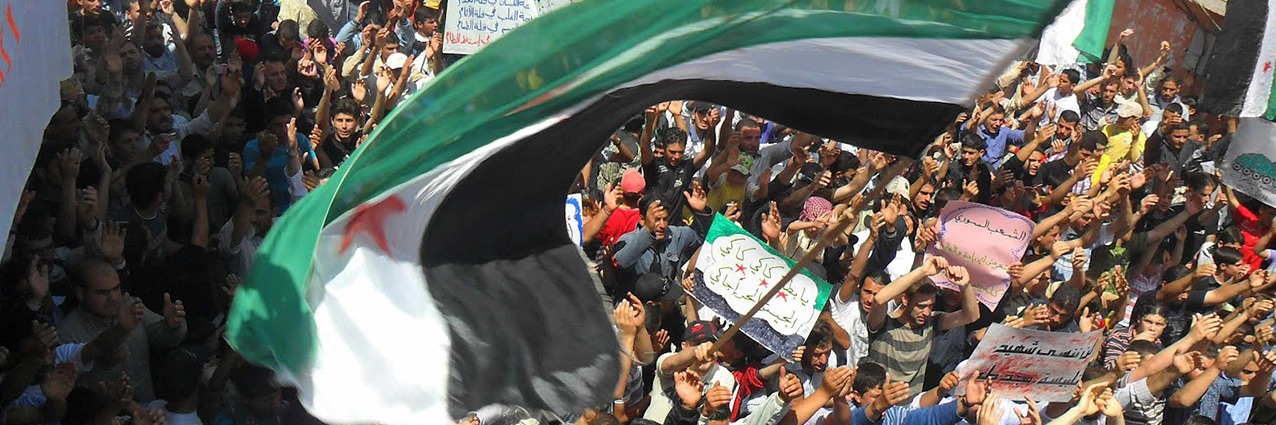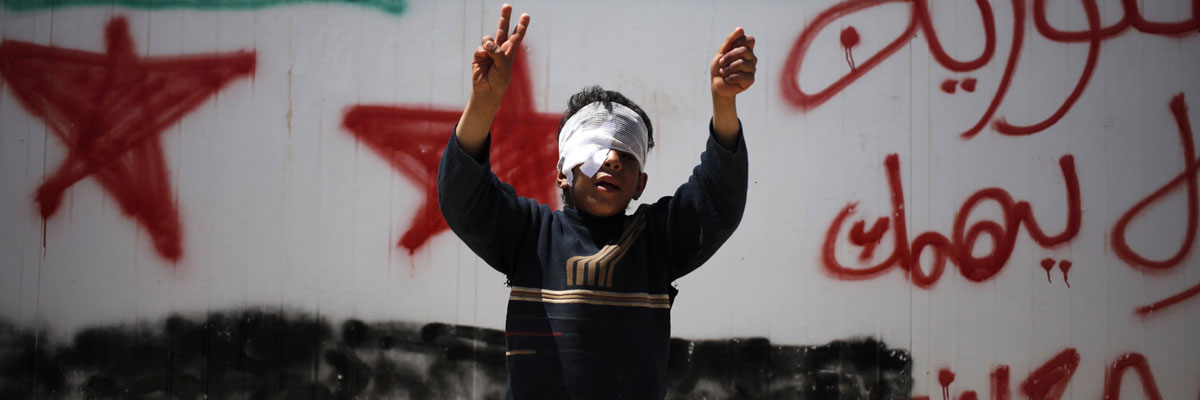
Yemen’s Timeline
Al Sharq Strategic Research | 08 March 2016
A Timeline for the Yemeni Revolution
Al Sharq Strategic Research | 08 March 2016
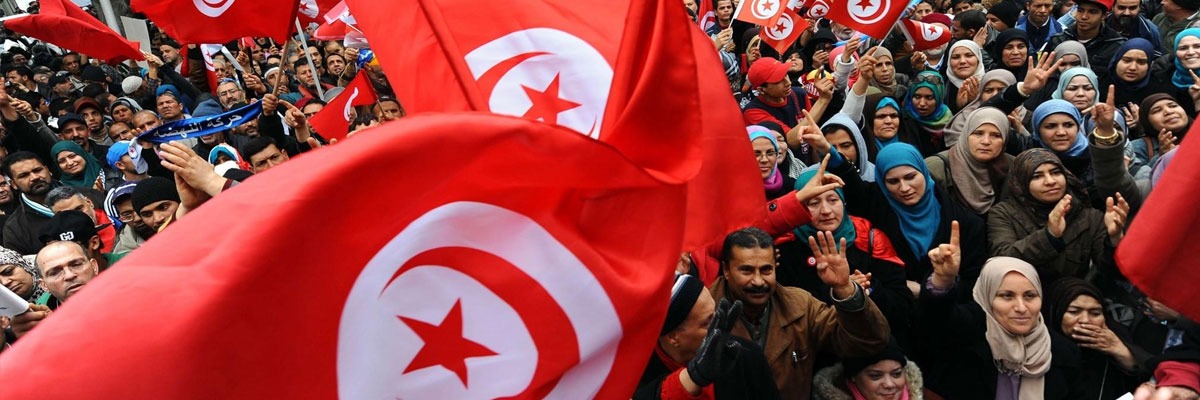
A Timeline for the Tunisian Revolution

Dimitar Bechev | 01 March 2016
The downing of the Russian Su-24M bomber on November 24, 2015 led to a shift in relations between Moscow and Ankara.
Omer Aslan | 17 February 2016
The Russians flocking to Syria, a ‘lame duck’ American President, and a more daring Iran after the implementation of the nuclear deal with the west all imply that the ‘Islamic Alliance’ proposed hastily and clumsily by Saudi Arabia deserves more serious thought than it has hitherto been granted.
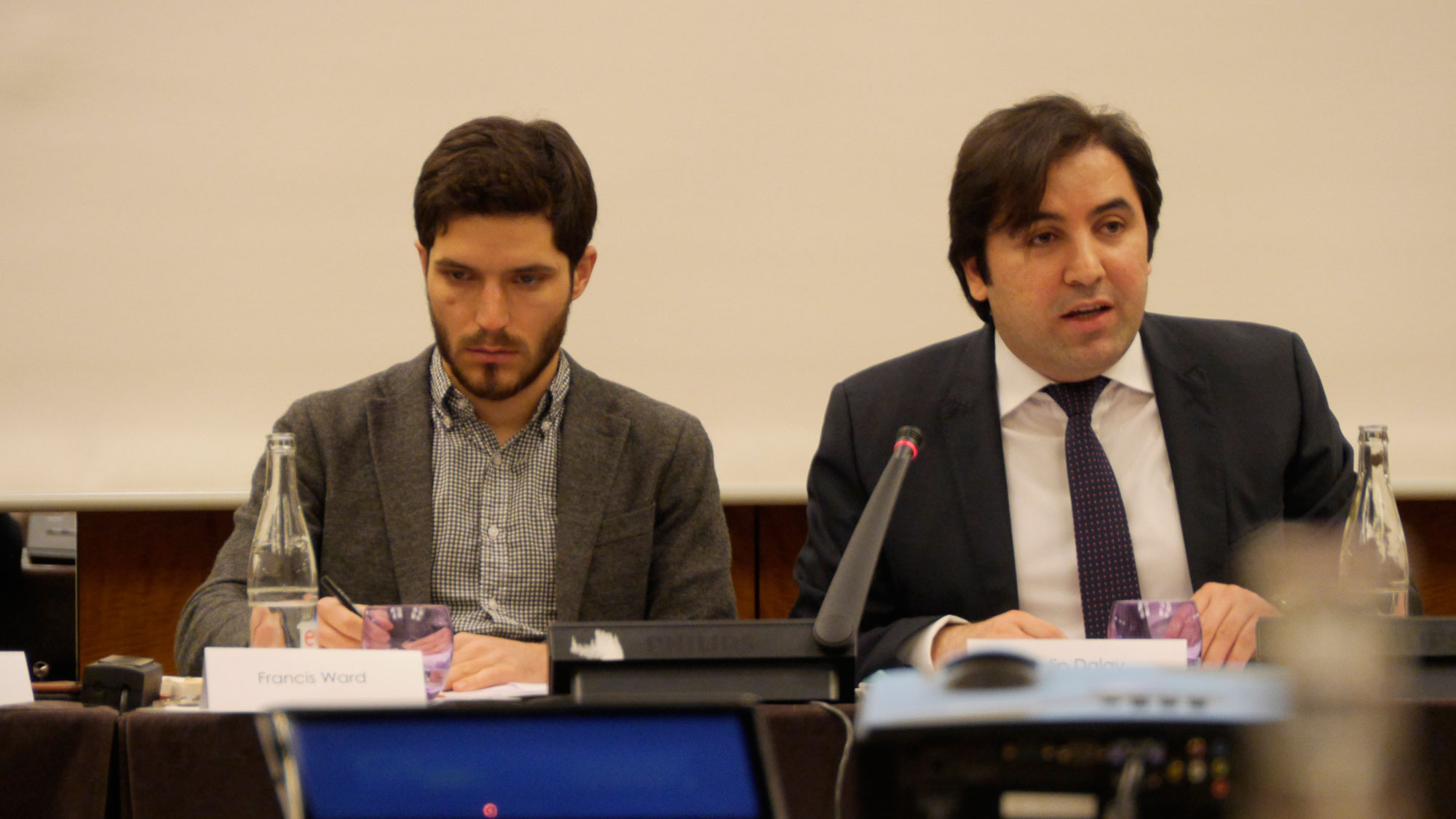
Galip Dalay | 17 February 2016
Before the onset of the Arab uprisings, Turkey had a functionalist approach to the region. It prioritized economic integration over the push to open up politics, in the belief that deepening economic ties would inevitably have a political spillover.
Galip Dalay | 17 February 2016
The main motivation behind the Geneva III talks was to get a deal irrespective of whether this deal was fair and sustainable.
Basheer Nafi | 17 February 2016
In Syria, as well as over other issues in MENA, the Obama administration no longer has the appetite to support the Arab revolution
Carole Nakhle | 15 February 2016
The lifting of economic and trade sanctions in relation to Iran’s nuclear programme means that the Islamic Republic should be able to export its oil freely to a wide range of customers, just as it did before the imposition of sanctions. Since Iran was not a negligible producer, other producers fear that the timing of its comeback to the market is bad news, as it may lead to lower oil prices for longer, especially if OPEC sticks to its existing strategy. The key questions that the international community is subsequently debating are: will Iran flood the oil market and, more importantly, is it able to do so? As this article argues, the sanctions were only partially responsible for Iran’s energy problems, and their removal will not solve the country’s long standing impediments to production, which, in the absence of sound and robust reforms, will prohibit a rapid expansion in Iranian capacity, as they have done for decades now.
Galip Dalay | 15 February 2016
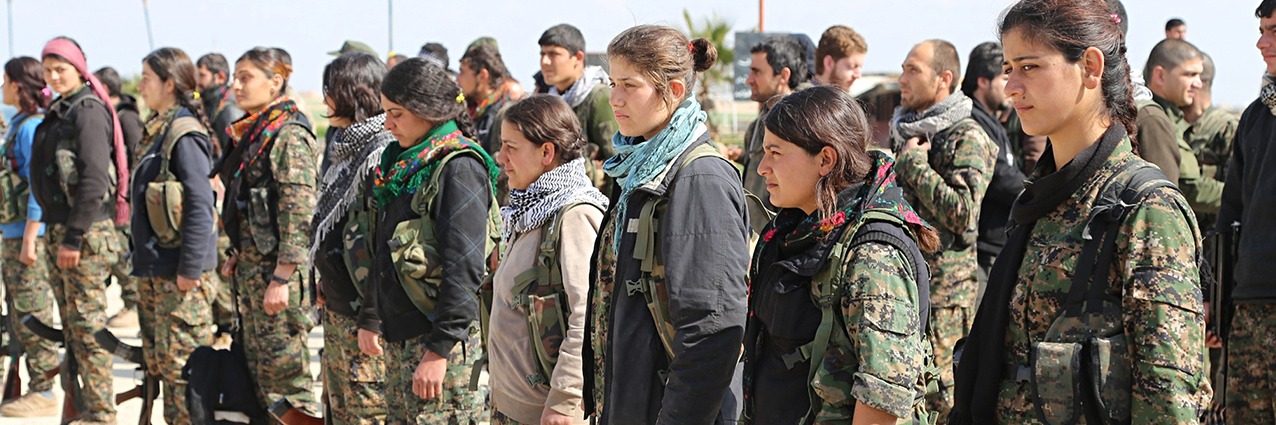
The Kurdish question dominates Turkey’s political agenda again, this time through low-intensity urban warfare. Just a year ago, a peace deal between the Kurdistan Workers Party (PKK) and Turkey seemed attainable, but the situation has deteriorated since the summer of 2015. The government has not sufficiently appreciated how the Kurds’ gains in Syria and Iraq have become the reference points of the Kurdish movement in Turkey. Recent fighting has resulted in the further consolidation of the Kurdish movement around the PKK, which bodes ill for the future of Turkey and the Kurdish movement in general. This vicious cycle can only be broken by the mutual accommodation of Turkey and the PKK on Syria and Turkey’s Kurdish regions. Turkey will need to cease to question the Syrian Kurdish gains and look for some kind of modus vivendi with this entity; the PKK must reciprocate by terminating its urban-warfare strategy in Turkey