IS and the age of brutality
 Basheer Nafi | 24 November 2015
Iran and the Arab states of the counter-revolution have wreaked havoc, death and destruction - giving way to brutal groups like ISIS.
 Basheer Nafi | 24 November 2015
Iran and the Arab states of the counter-revolution have wreaked havoc, death and destruction - giving way to brutal groups like ISIS.
Basheer Nafi | 24 November 2015
The fate of Egypt and Syria shows the need to revisit the rapprochement between Islamist and nationalist currents that has been lost since 2011
Basheer Nafi | 12 November 2015
Understanding the relationship between Islamism and Arab nationalism has always been problematic. The separation between Islamists and Arab nationalists, and political conflict between them is a relatively late development in modern Arab history. From the early 1950s, a series of military coups brought young Arab nationalist military officers to power in many Arab countries, including Egypt, Syria, Iraq, Yemen and Algeria. Arab nationalism, expressed in exclusive, radical and even socialist discourse, became the official ideology of these Arab states. The military background of the ruling forces, their fragile base of legitimacy, and the sweeping programs of modernization and centralization they pursued, turned most of their republican, nationalist countries into authoritarian states. One of the major results of this development was the eruption of a series of confrontations between Arab nationalist regimes and Islamic political forces, in which questions of power, identity and legitimacy were intertwined.
 Galip Dalay | 12 November 2015
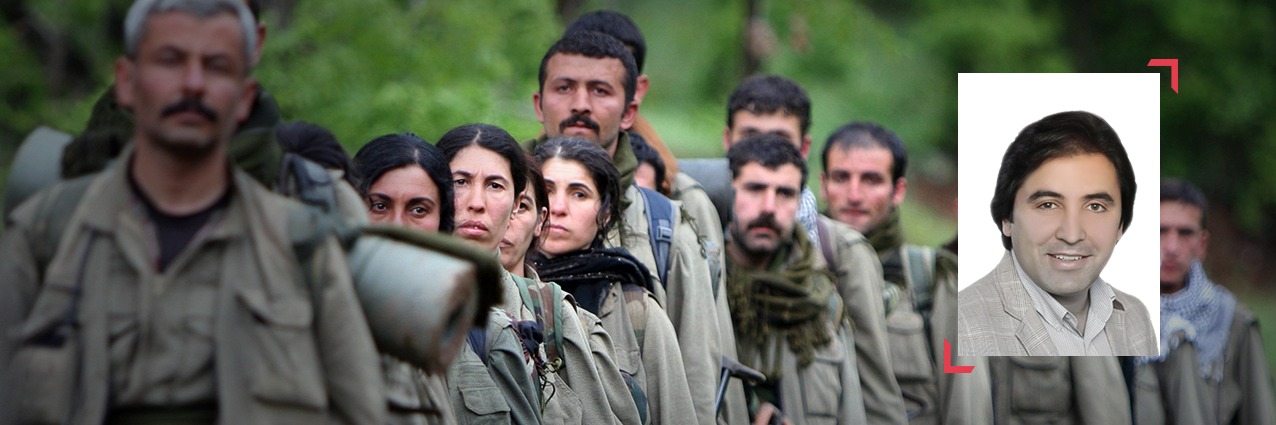
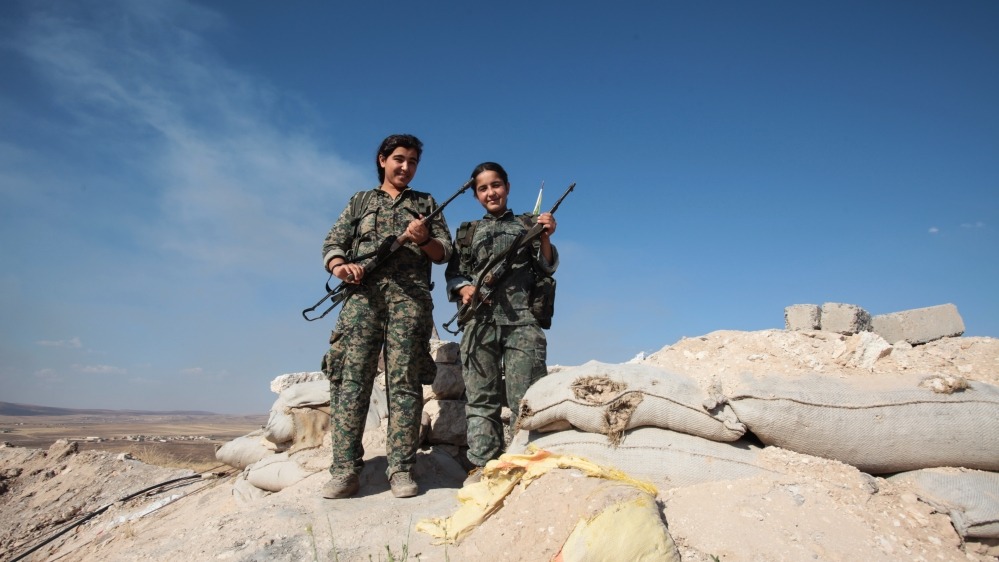
Beneath the euphoria and much vaunted hype of Kurdish unity as a result of the Kurdish fight against ISIS, the seeds of discord and dangerous rivalry have been planted. This rivalry, which is reminiscent of the old bloody and perilous rivalries in Kurdish politics, is taking place along two axes: on the regional setting between the Kurdistan Democratic Party (KDP) and the Kurdistan Worker Party (PKK), and within the context of the KRG between the KDP and the Patriotic Union of Kurdistan (PUK).
Galip Dalay | 12 November 2015
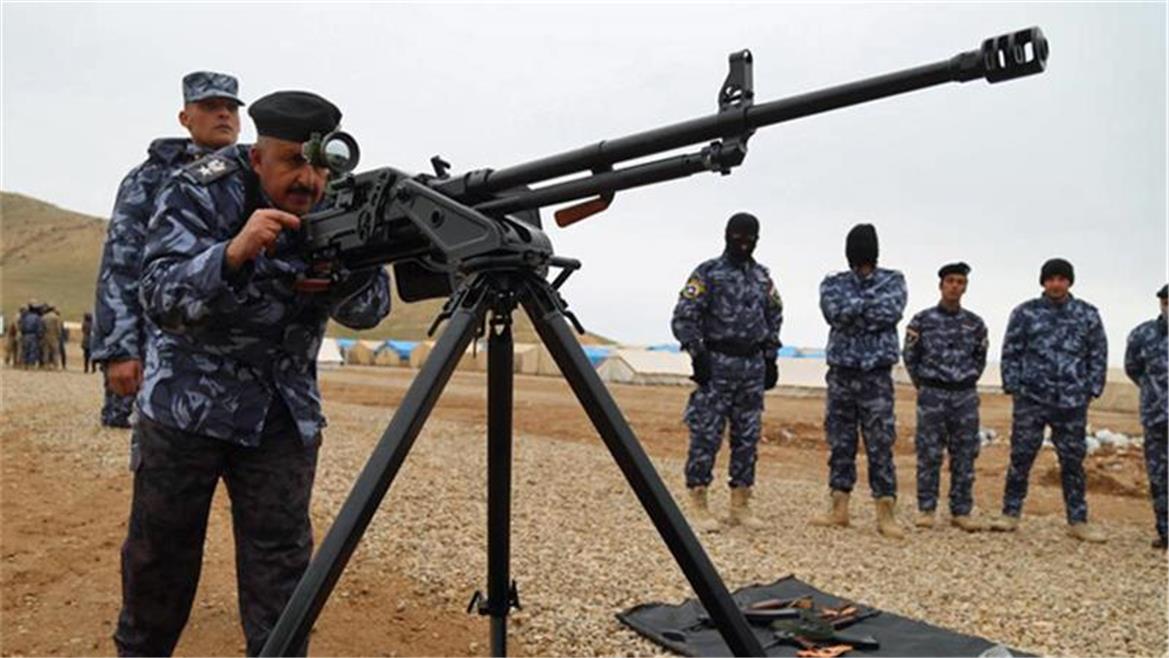
The fight between Kurds and ISIS has engendered some new trends in Kurdish politics in Near East. These trends are likely to bear impact on the course of Kurdish politics in upcoming years. These trends can be grouped under the following headings: The emergence of a common Kurdish public sphere; the emergence of a fragile common Kurdish politics; the emergence of a non-state actor, ISIS, as Kurdish political identity’s constitutive other; the enhanced emphasis on the secular nature of Kurdish politics; the enhanced need for a security sector reform in KRG.
Galip Dalay | 12 November 2015
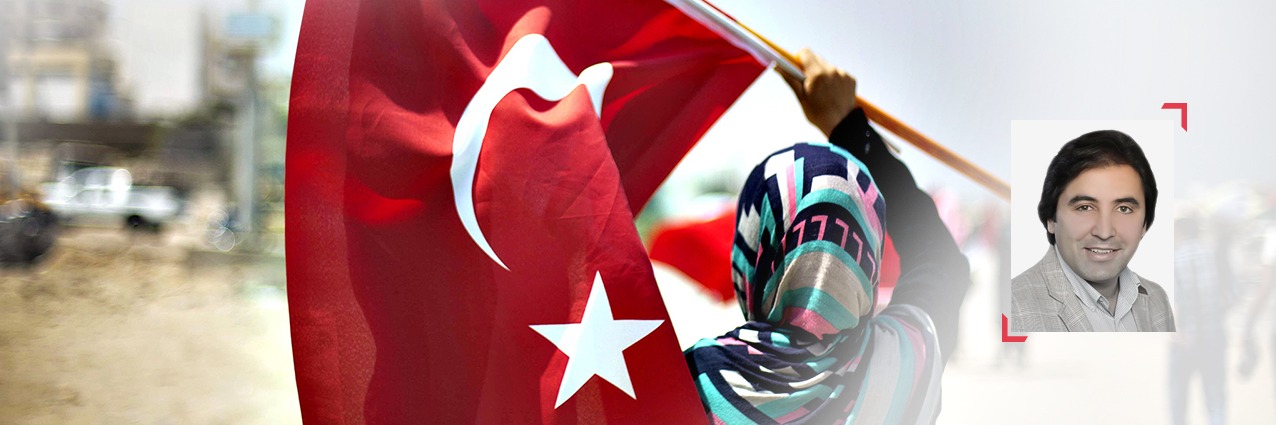
Turkey’s ideology and state identity is an amalgamation of secularism, Turkish nationalism and a Western orientation
Basheer Nafi | 12 November 2015
Although many Arab states view the Iranian expansion in the region with concern, their greater fear is a victory for the Syrian revolution
Galip Dalay | 12 November 2015
Hints that Erdogan might accept a role for Assad were quickly corrected, despite Turkey’s limited options for achieving any of its goals in Syria
Galip Dalay | 12 November 2015
Will it align itself with the zeitgeist building Turkey’s future or will it associate itself with the forces striving to bring back the past
 Al Sharq Strategic Research