UK’s rush to war in Syria ignores realities
 Basheer Nafi | 04 December 2015
It is unlikely that the Syrian people will join the anti-IS war unless they have a state that unites their will
 Basheer Nafi | 04 December 2015
It is unlikely that the Syrian people will join the anti-IS war unless they have a state that unites their will
 Al Sharq Strategic Research | 02 December 2015
Turkey, with its massive military power and lucrative developing economy, and Qatar, with its large amount of natural gas resources and effective diplomatic prowess, are two emerging powers in the Middle East as vigorous countries in conflict resolution processes and claiming for the gradual regional transformation. They took similar positions towards the Arab Uprisings. Both countries have been supporting popular movements against the pro-status quo regimes. They have been backing the Syrian opposition against the Assad regime and have been searching for an Assad-free Syria.
 Galip Dalay | 24 November 2015
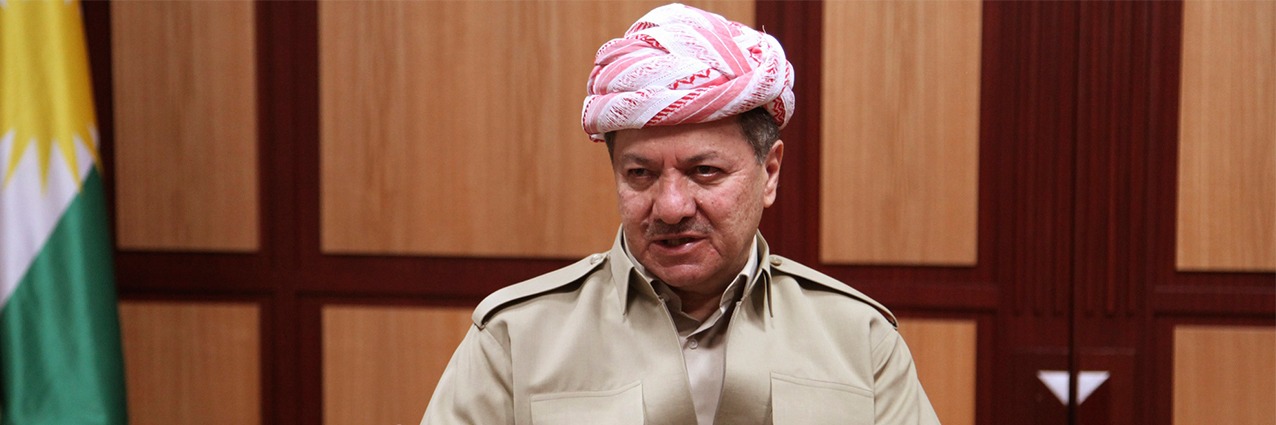
Local and regional developments since the outbreak of the crisis over the Kurdish presidency indicate that Masoud Barzani will remain in power.
Galip Dalay | 24 November 2015
After its electoral comeback, the AK Party has to deal with crises in Syria, Iraqi Kurdistan and negotiating with Europe over the refugee issue.
Basheer Nafi | 24 November 2015
Iran and the Arab states of the counter-revolution have wreaked havoc, death and destruction - giving way to brutal groups like ISIS.
Basheer Nafi | 24 November 2015
The fate of Egypt and Syria shows the need to revisit the rapprochement between Islamist and nationalist currents that has been lost since 2011
Basheer Nafi | 12 November 2015
Understanding the relationship between Islamism and Arab nationalism has always been problematic. The separation between Islamists and Arab nationalists, and political conflict between them is a relatively late development in modern Arab history. From the early 1950s, a series of military coups brought young Arab nationalist military officers to power in many Arab countries, including Egypt, Syria, Iraq, Yemen and Algeria. Arab nationalism, expressed in exclusive, radical and even socialist discourse, became the official ideology of these Arab states. The military background of the ruling forces, their fragile base of legitimacy, and the sweeping programs of modernization and centralization they pursued, turned most of their republican, nationalist countries into authoritarian states. One of the major results of this development was the eruption of a series of confrontations between Arab nationalist regimes and Islamic political forces, in which questions of power, identity and legitimacy were intertwined.
 David Hearst | 10 November 2015
When the Saudi ambassador in Washington announced the launching of airstrikes and a military intervention in Yemen on Wednesday night, the kingdom surprised everyone - not least Iran.Conventional wisdom was that Riyadh had dithered and left it too late. The Houthis and elements of the army loyal to the ousted autocrat Ali Abdullah Saleh and his son Ahmed had advanced on the southern city of Aden with such speed that its fall, and that of President Abd Rabbuh Mansour Hadi, was considered only a matter of time.
David Hearst | 10 November 2015
John Allen, the retired marine general charged by US President Barack Obama to coordinate the campaign against the Islamic State (IS) group, is a man confident of his facts. Fresh from Turkey, which had just agreed to enter the air campaign against the militants, he told the Aspen Security Forum that IS are losing.