Widening gap between NATO’s deeds and discourse on Syria
 Galip Dalay | 09 December 2015
The EU is giving the impression that it is once again supporting authoritarian stability instead of a more lasting democratic stability
 Galip Dalay | 09 December 2015
The EU is giving the impression that it is once again supporting authoritarian stability instead of a more lasting democratic stability
 Mesut Ozcan | 08 December 2015
With the increasing involvement of Russia in the Syrian conflict, relations between Turkey and Russia have also soured, and a bitter taste has been left with the recent downing of a jet. As Assad's regime has weakened, Russia has begun directly intervening in Syria and Turkey has begun interpreting the relationship between Russia and Syria as a return of the Cold War years. Russia’s involvement in regional conflicts in general and in Syria in particular led people to establish similarities with the 1950s, as it benefits from the chaos in the region and aims to fill the gap left by the disengagement of the US.. In those years, as a new member of the NATO alliance, Turkey was very concerned by the ideological and military connections between the Soviet Union and Syria. With the longevity of the conflict in Syria and increasing involvement of Russia, there is the danger of a similar scenario—possibly in a different form—emerging in Turkish-Syrian relations.
 Wadah Khanfar | 08 December 2015
The necessities of geography and the interests of the economy take precedence over the bitterness of history and the reactions of the present
 Khalid Hajji | 07 December 2015 | TR
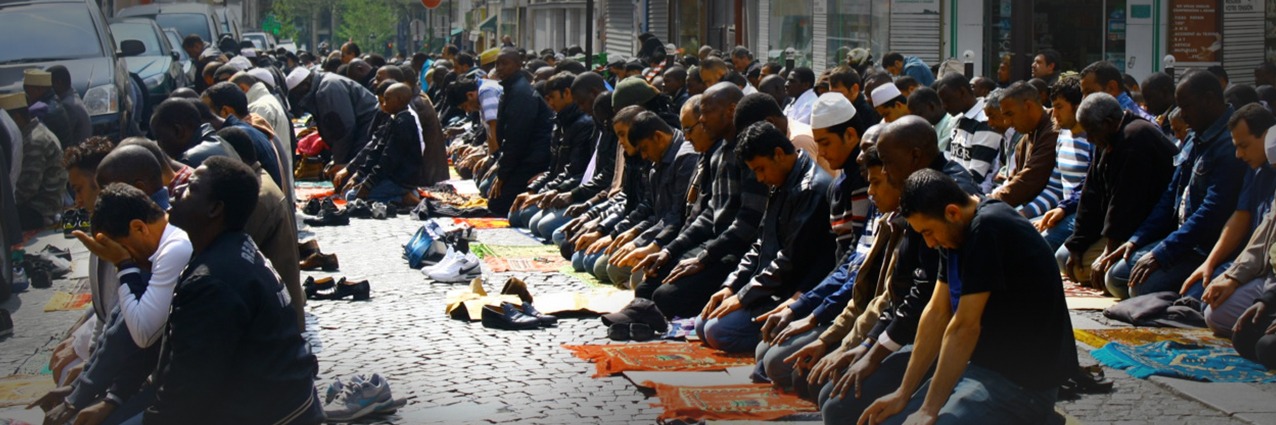
The concept of Euro-Islam is laden with different meanings, depending on who uses it. Some young Muslims in Europe might use the term to underline the fact that they are Europeans in order to avoid being tarred with the discourse of integration. Some European politicians might use it to emphasize the need to strip Islam of its outside influences. Euro-Islam can be a platform for negotiations between Europe and its immigrants from an Islamic background. It can also be an appellation that designates a hue of Islamic religiosity similar to Asian Islam, African Islam, Egyptian Islam, or Moroccan Islam. Euro-Islam is, however, a contested concept when it is used to imply a geographical line of division between an enlightened Islam and an obscurantist one. This division enhances the dichotomy of inside and outside on which the clash of civilizations thesis is predicated. The separation between a European Islam of enlightenment and outside versions of an unenlightened Islam is, to say the least, counterproductive.
 Al Sharq Strategic Research | 06 December 2015
More than 50 intellectuals, experts, activists and politicians gathered Saturday for the launch of the Common Action Forum, a Madrid-based NGO aimed at providing a research and development platform for ideas and practical steps to make political and international systems more fair and equal.
 Basheer Nafi | 04 December 2015
It is unlikely that the Syrian people will join the anti-IS war unless they have a state that unites their will
Galip Dalay | 02 December 2015
Turkey will do its utmost to de-escalate tensions with Russia but it is unlikely to remain silent where its national security is threatened in Syria.
Al Sharq Strategic Research | 02 December 2015
Turkey, with its massive military power and lucrative developing economy, and Qatar, with its large amount of natural gas resources and effective diplomatic prowess, are two emerging powers in the Middle East as vigorous countries in conflict resolution processes and claiming for the gradual regional transformation. They took similar positions towards the Arab Uprisings. Both countries have been supporting popular movements against the pro-status quo regimes. They have been backing the Syrian opposition against the Assad regime and have been searching for an Assad-free Syria.
 Dimitar Bechev | 27 November 2015
But with Turkey and Russia more friend than foe, is it a battle royale or pissing match?
Galip Dalay | 24 November 2015
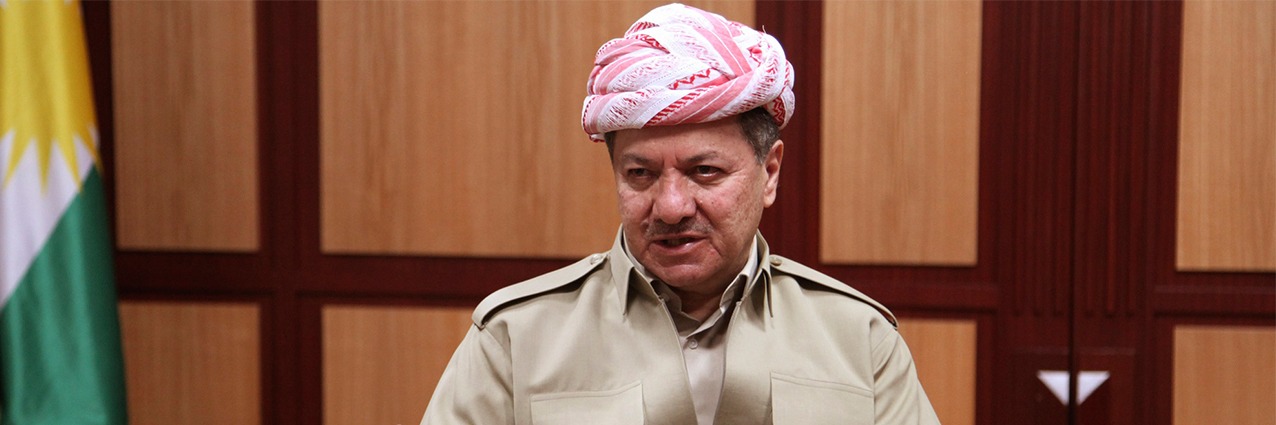
Local and regional developments since the outbreak of the crisis over the Kurdish presidency indicate that Masoud Barzani will remain in power.