13 Jan, 2021

Breakthrough in the Gulf Crisis Will Shape Regional Geopolitics

Samuel Ramani | 13 January 2021 | TR

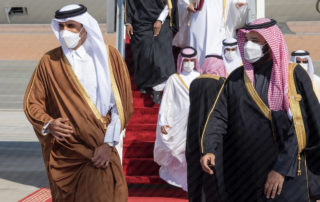
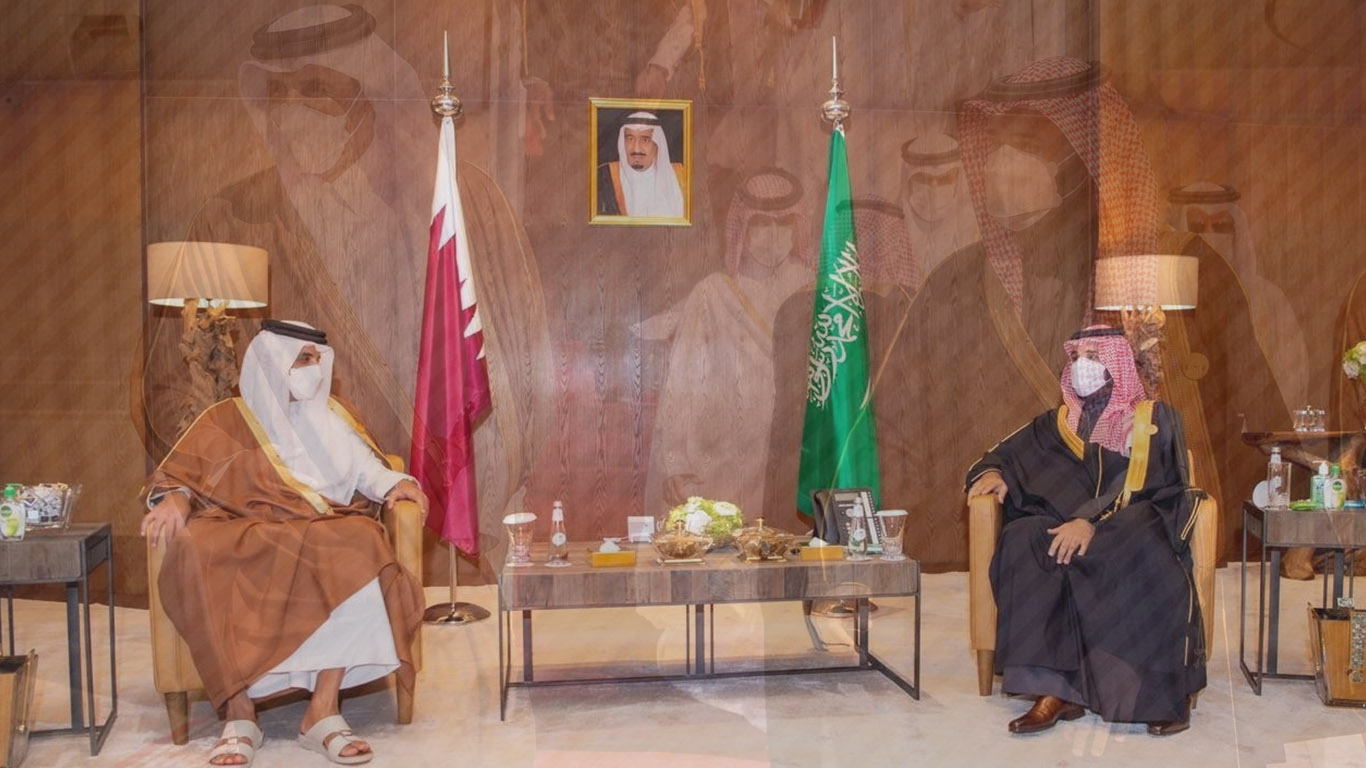
On January 5, the Qatar diplomatic crisis came to an abrupt end at the Gulf Cooperation Council (GCC) summit in Riyadh. Saudi Arabia, the United Arab Emirates, Bahrain, and Egypt ended their boycott against Qatar, which began in June 2017

Breakthrough in the Gulf Crisis Will Shape Regional Geopolitics2022-04-26T11:42:01+03:00
7 Jan, 2021

The lifting of the Qatar blockade is a good start, but more steps are needed

Anna L. Jacobs | 07 January 2021

The lifting of the Qatar blockade is a good start, but more steps are needed On the eve of the 41st Gulf Cooperation Council (GCC) summit, Kuwait’s foreign ministry announced that Saudi Arabia would [...]

The lifting of the Qatar blockade is a good start, but more steps are needed2022-04-26T13:35:42+03:00
6 Jan, 2021

Youthful Anger and the Crisis of Legitimacy in Iraqi Kurdistan

Kamaran Palani | 06 January 2021 | AR

Youth disillusionment with the heavily politicised system of governance in the Kurdistan Region of Iraq (KRI) is not new. What is new is that young people’s anger and frustration now present a serious challenge to the KRI’s internal legitimacy

Youthful Anger and the Crisis of Legitimacy in Iraqi Kurdistan2022-06-10T16:45:20+03:00
31 Dec, 2020

What Does 2021 Hold for the Political Outlook in the MENA Region?

Al Sharq Strategic Research | 31 December 2020

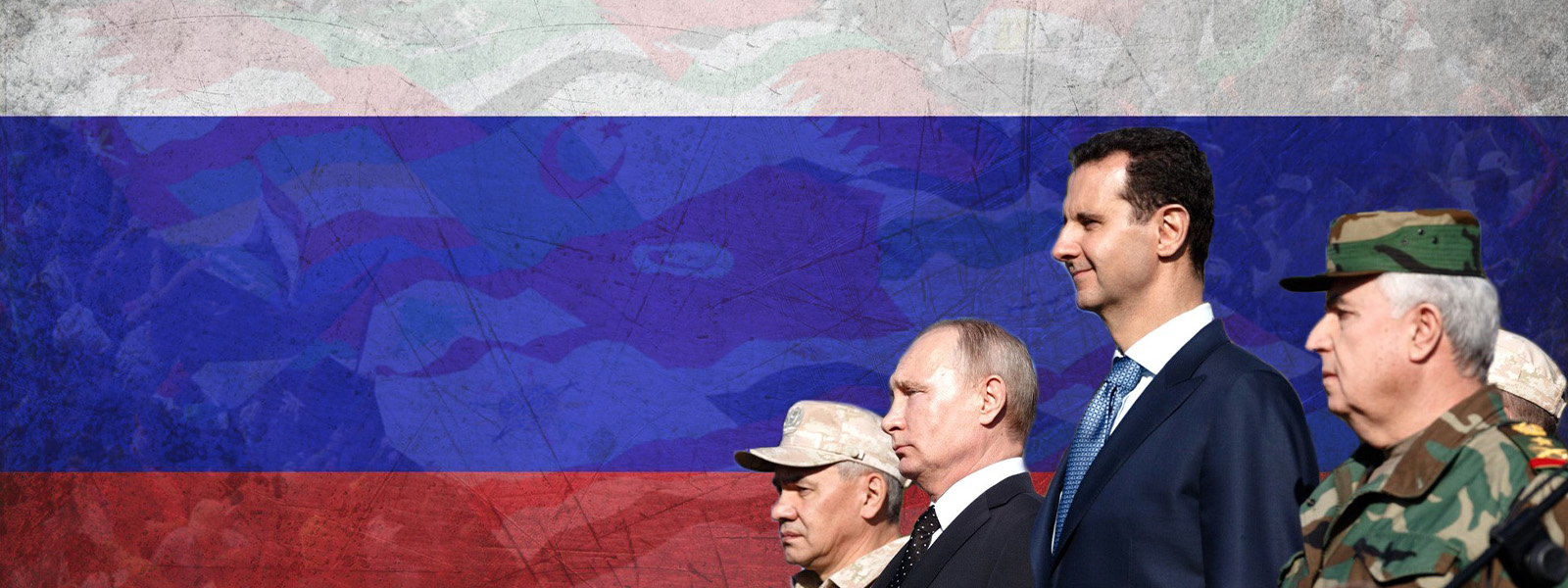
2020 has been a very eventful year for the countries in the Middle East and North Africa (MENA) region. The dramatic pace of events that occurred throughout the year has brought more uncertainty to the already volatile region. This year experienced the shocking assassination of Qasem Soleimani and Abu Mahdi al-Muhandis in Baghdad in the early days of the year as well as the Libyan Crisis

What Does 2021 Hold for the Political Outlook in the MENA Region?2022-04-26T14:47:20+03:00
30 Dec, 2020

Reflections on Obama’s Narration of America in the Middle East: No “Promised Land” for Arabs

Larbi Sadiki | 30 December 2020 | AR | TR

Narratives matter in politics, and the narratives of the powerful tend to reinforce their international supremacy. Barack Obama’s latest contribution to the American presidential memoir genre will likely carry significance beyond a truthhood-falsity barometer we have grown accustomed to use with the epithets, statements, and Tweets of the sitting President Donald Trump

Reflections on Obama’s Narration of America in the Middle East: No “Promised Land” for Arabs2022-12-01T16:18:32+03:00
25 Dec, 2020

The Weekly Wire (December 25, 2020)

Al Sharq Strategic Research | 25 December 2020

Morocco’s ruling Justice and Development Party released a statement on Thursday, December 24, supporting King Mohammed VI and Prime Minister Saad-Eddine El Othmani over resuming official contacts and diplomatic relations with Israel in exchange for US recognition of Morocco’s sovereignty over the Sahara region.

The Weekly Wire (December 25, 2020)2020-12-25T15:37:51+03:00
25 Dec, 2020

Near in fear and far in aspiration: convergences and differences of the KSA-UAE alliance
Dec 25, 2020

Federico Donelli | 25 December 2020 | AR | TR

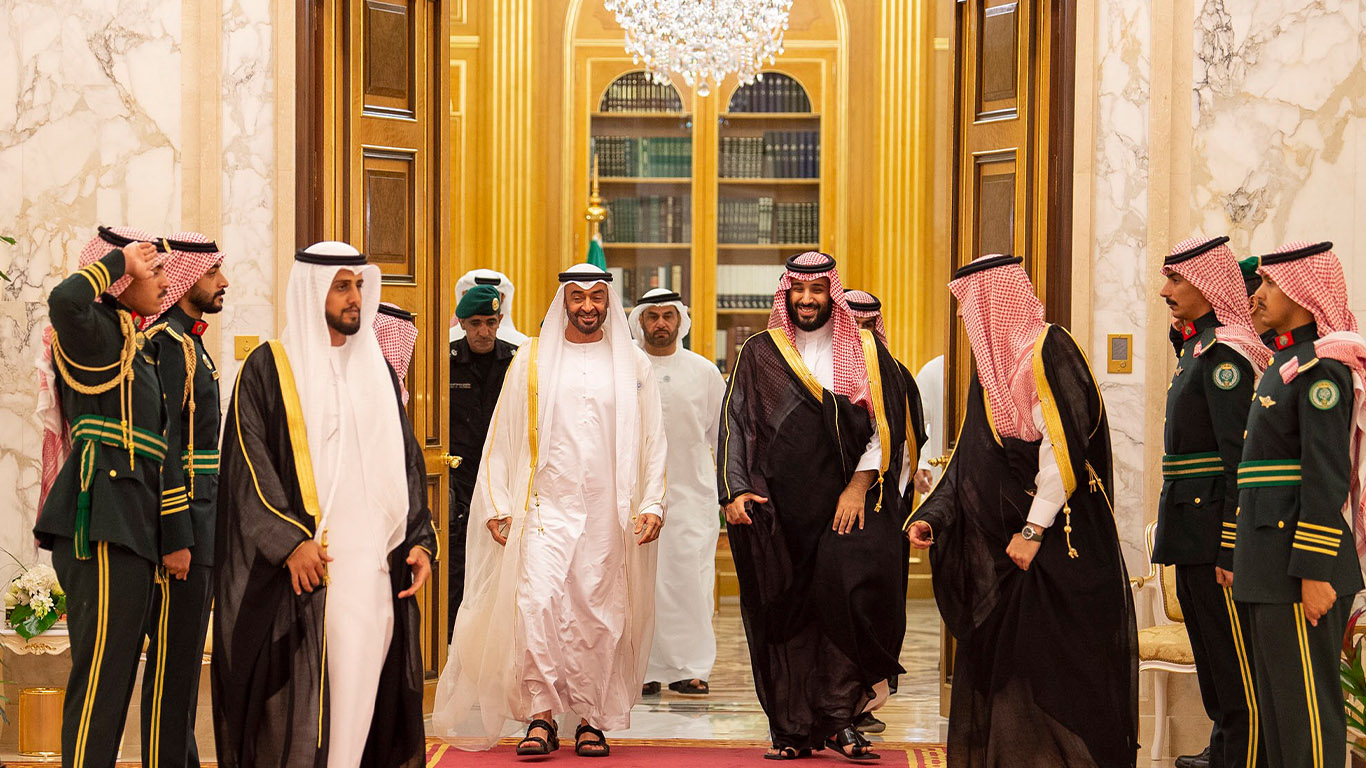
The United Arab Emirates (UAE) and the Kingdom of Saudi Arabia (KSA) are often portrayed by the media and analysts as a single regional power group. Although the alliance is not at stake, it has a much more complex nature than is most commonly represented. The two Gulf monarchies show different stances and preferences on a variety of regional issues

Near in fear and far in aspiration: convergences and differences of the KSA-UAE alliance
Dec 25, 2020
2022-05-12T16:25:46+03:00
18 Dec, 2020

Webinar Report: “The Eastern Mediterranean Crisis: Scenarios and Implications” 2020

Al Sharq Strategic Research | 18 December 2020

Turkish-Greek maritime disputes in the Eastern Mediterranean have morphed into a conventional geopolitical confrontation between Turkey and a set of countries, including Greece, France, the UAE, and Egypt

Webinar Report: “The Eastern Mediterranean Crisis: Scenarios and Implications” 20202022-04-28T15:12:35+03:00
Go to Top