7 Sep, 2016

Turkey’s ‘Fractured Military’ in Historical Perspective and Recommendations for a Military Reform Agenda

Omer Aslan | 07 September 2016

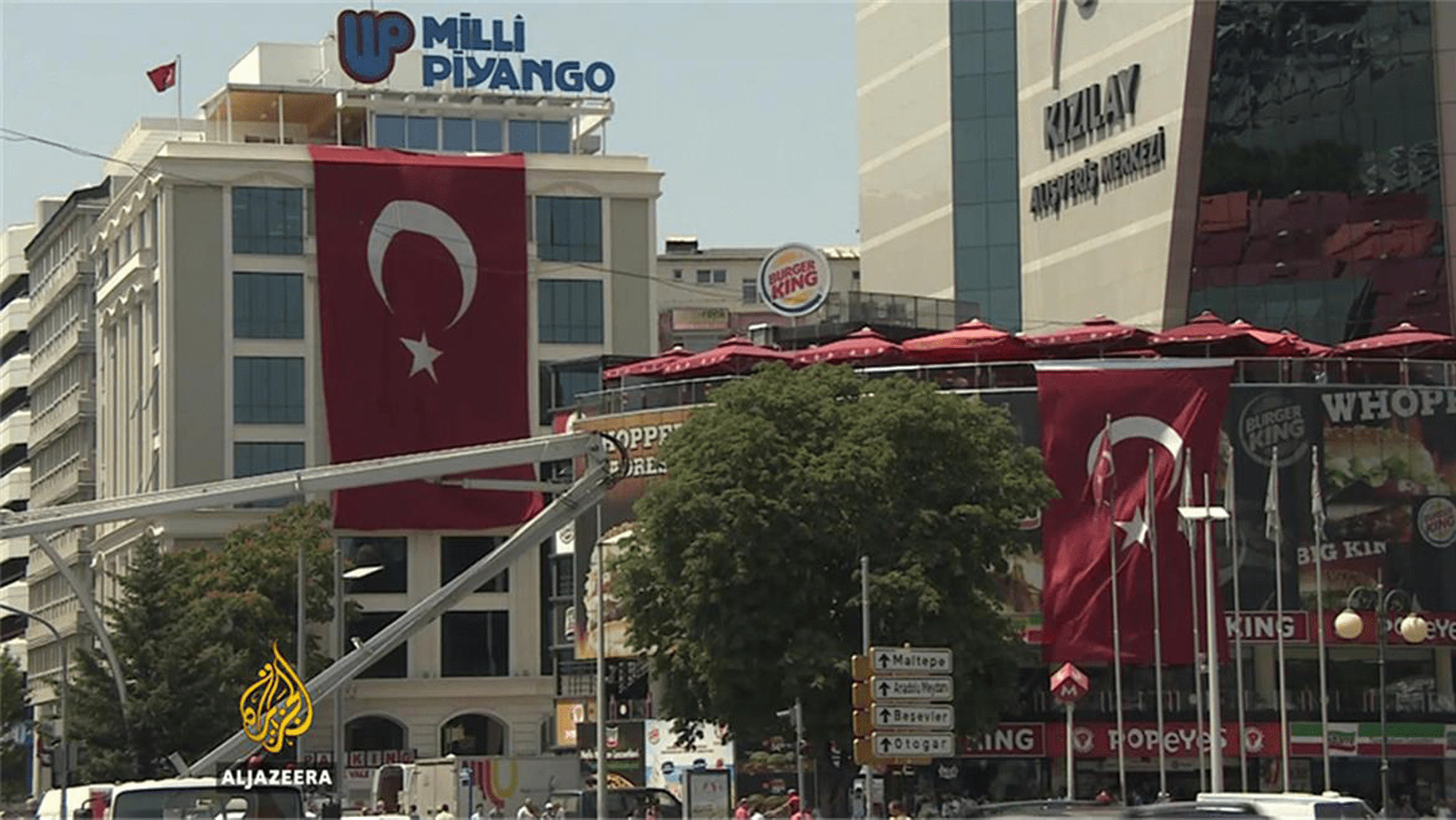
The AK Party government’s reaction to the failed July 15th coup attempt has been swift. Within a month, the government declared martial law for a three-month period, issued four decrees with the force of law,

Turkey’s ‘Fractured Military’ in Historical Perspective and Recommendations for a Military Reform Agenda2022-02-03T11:45:12+03:00
22 Aug, 2016

Palestinian Issue and Israel in the Post Arab Uprisings Regional (Dis)Order

Hugh Lovatt Zeynep Koc | 22 August 2016 | AR

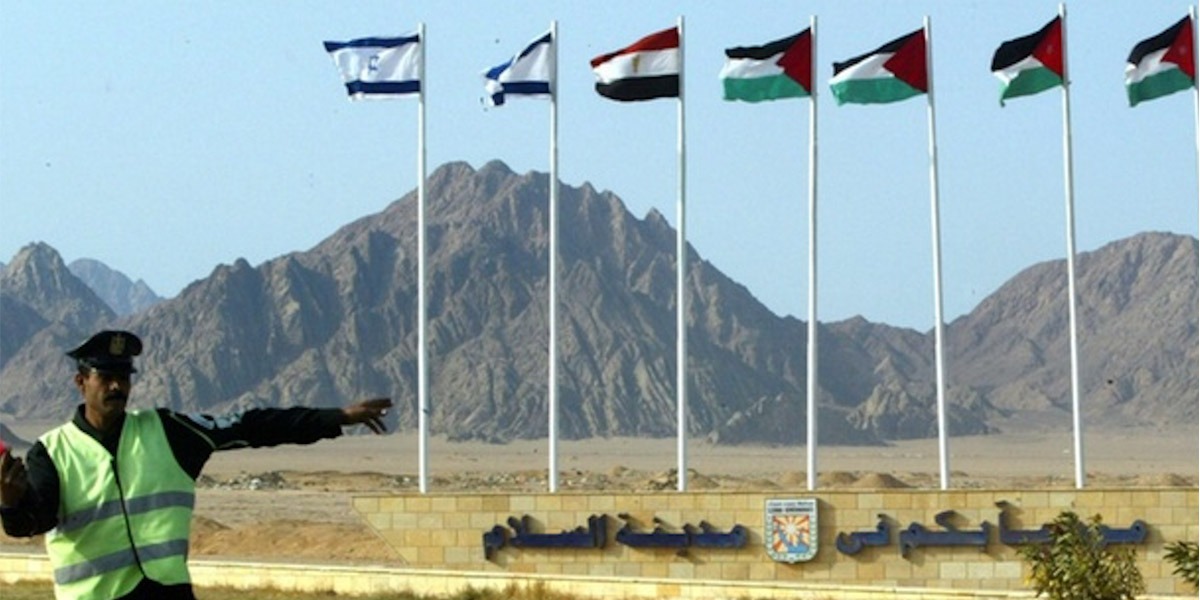
The regional (dis)order brought about as a result of the tectonic shifts set in motion by the Arab Uprisings have afforded Israel a number of opportunities to advance a process of backdoor normalization with the Arab world

Palestinian Issue and Israel in the Post Arab Uprisings Regional (Dis)Order2022-02-03T11:05:56+03:00
31 Jul, 2016

THE JULY 15TH FAILED COUP ATTEMPT IN TURKEY: Causes, Consequences, and Implications in Comparative Perspective

Omer Aslan | 31 July 2016 | TR

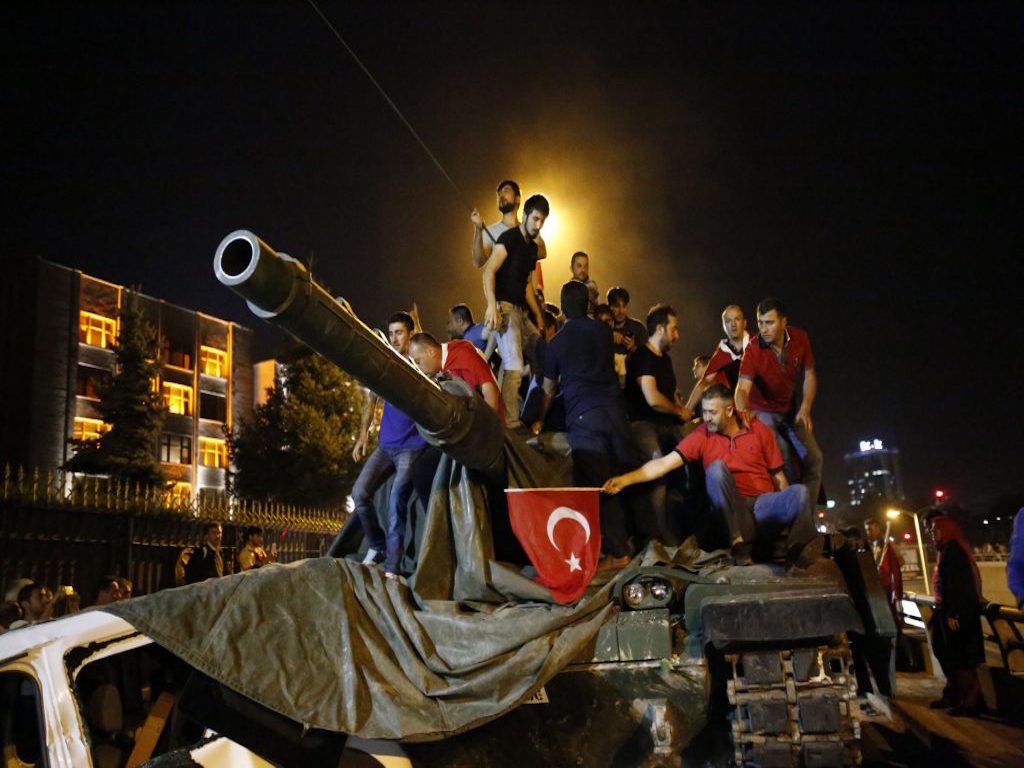
On July 15th a group of soldiers inside the Turkish military—ordinarily an expert executioner of military coups d’état - carried out the seventh coup attempt in Turkey’s checkered history.

THE JULY 15TH FAILED COUP ATTEMPT IN TURKEY: Causes, Consequences, and Implications in Comparative Perspective2022-09-22T16:25:58+03:00
17 Feb, 2016

The Syrian Conundrum and the Need for Regional Actors to Strategize

Omer Aslan | 17 February 2016

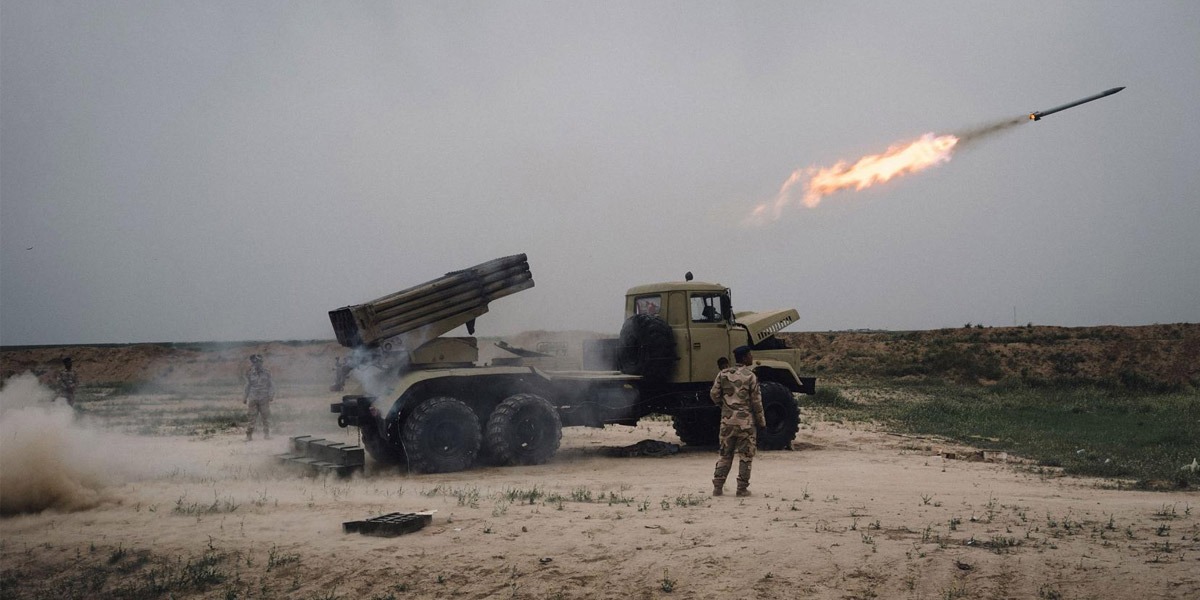
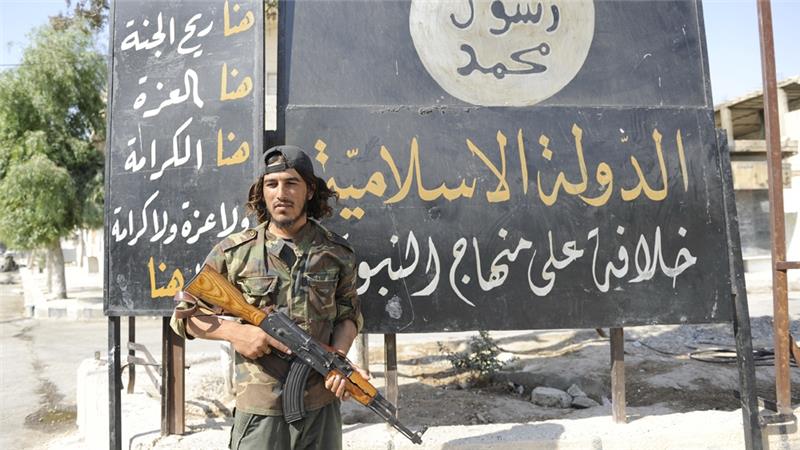
The Russians flocking to Syria, a ‘lame duck’ American President, and a more daring Iran after the implementation of the nuclear deal with the west all imply that the ‘Islamic Alliance’ proposed hastily and clumsily by Saudi Arabia deserves more serious thought than it has hitherto been granted.

The Syrian Conundrum and the Need for Regional Actors to Strategize2022-01-31T10:58:54+03:00
7 Dec, 2015

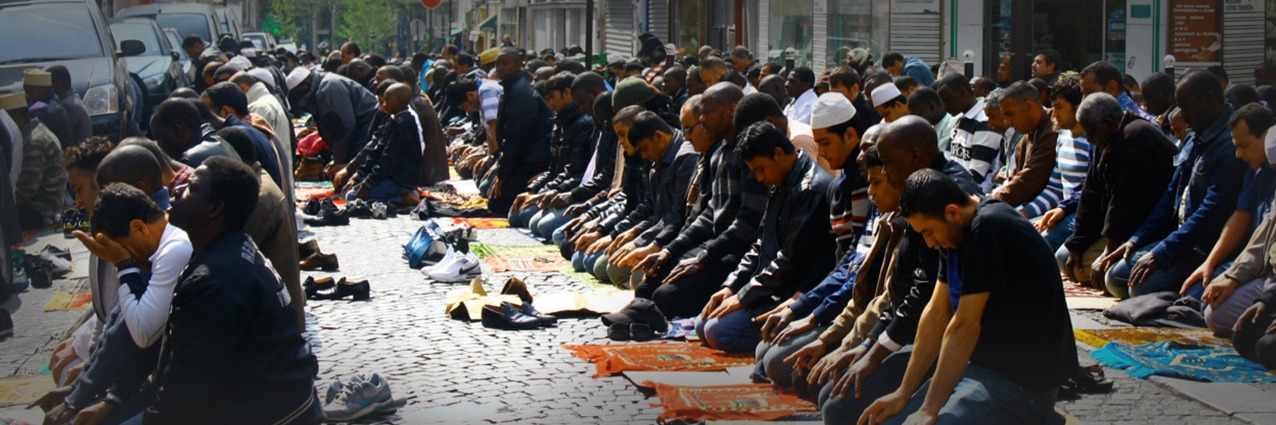
The Risks and Challenges of Europeanizing Islam

Khalid Hajji | 07 December 2015 | TR

The concept of Euro-Islam is laden with different meanings, depending on who uses it. Some young Muslims in Europe might use the term to underline the fact that they are Europeans in order to avoid being tarred with the discourse of integration. Some European politicians might use it to emphasize the need to strip Islam of its outside influences. Euro-Islam can be a platform for negotiations between Europe and its immigrants from an Islamic background. It can also be an appellation that designates a hue of Islamic religiosity similar to Asian Islam, African Islam, Egyptian Islam, or Moroccan Islam. Euro-Islam is, however, a contested concept when it is used to imply a geographical line of division between an enlightened Islam and an obscurantist one. This division enhances the dichotomy of inside and outside on which the clash of civilizations thesis is predicated. The separation between a European Islam of enlightenment and outside versions of an unenlightened Islam is, to say the least, counterproductive.

The Risks and Challenges of Europeanizing Islam2022-01-27T16:45:16+03:00
12 Nov, 2015

Reflecting on the Regional Kurdish Politics in the Post-ISIS Period (I)

Galip Dalay | 12 November 2015

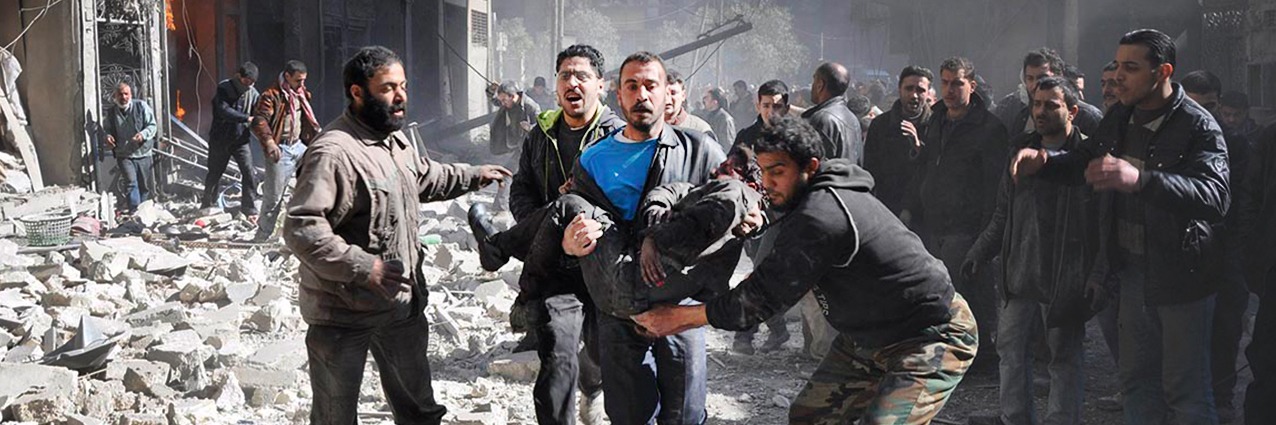
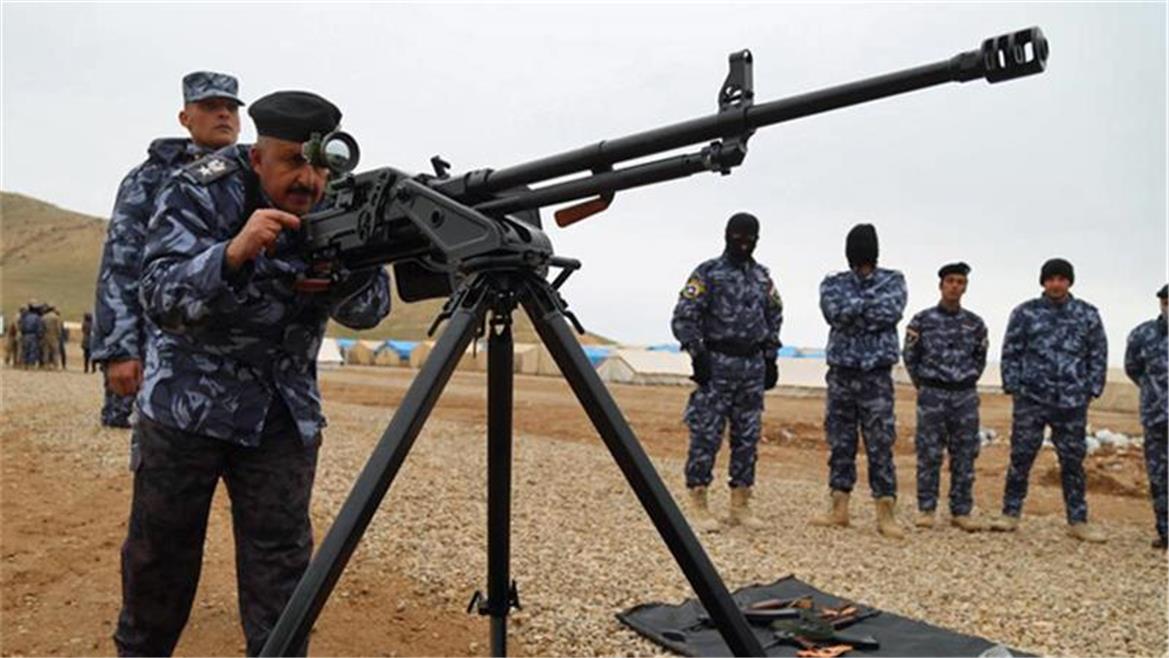
The fight between Kurds and ISIS has engendered some new trends in Kurdish politics in Near East. These trends are likely to bear impact on the course of Kurdish politics in upcoming years. These trends can be grouped under the following headings: The emergence of a common Kurdish public sphere; the emergence of a fragile common Kurdish politics; the emergence of a non-state actor, ISIS, as Kurdish political identity’s constitutive other; the enhanced emphasis on the secular nature of Kurdish politics; the enhanced need for a security sector reform in KRG.

Reflecting on the Regional Kurdish Politics in the Post-ISIS Period (I)2022-09-22T15:11:45+03:00
Go to Top